Smoke Leak Tester Explained: A UK Buyer's Guide
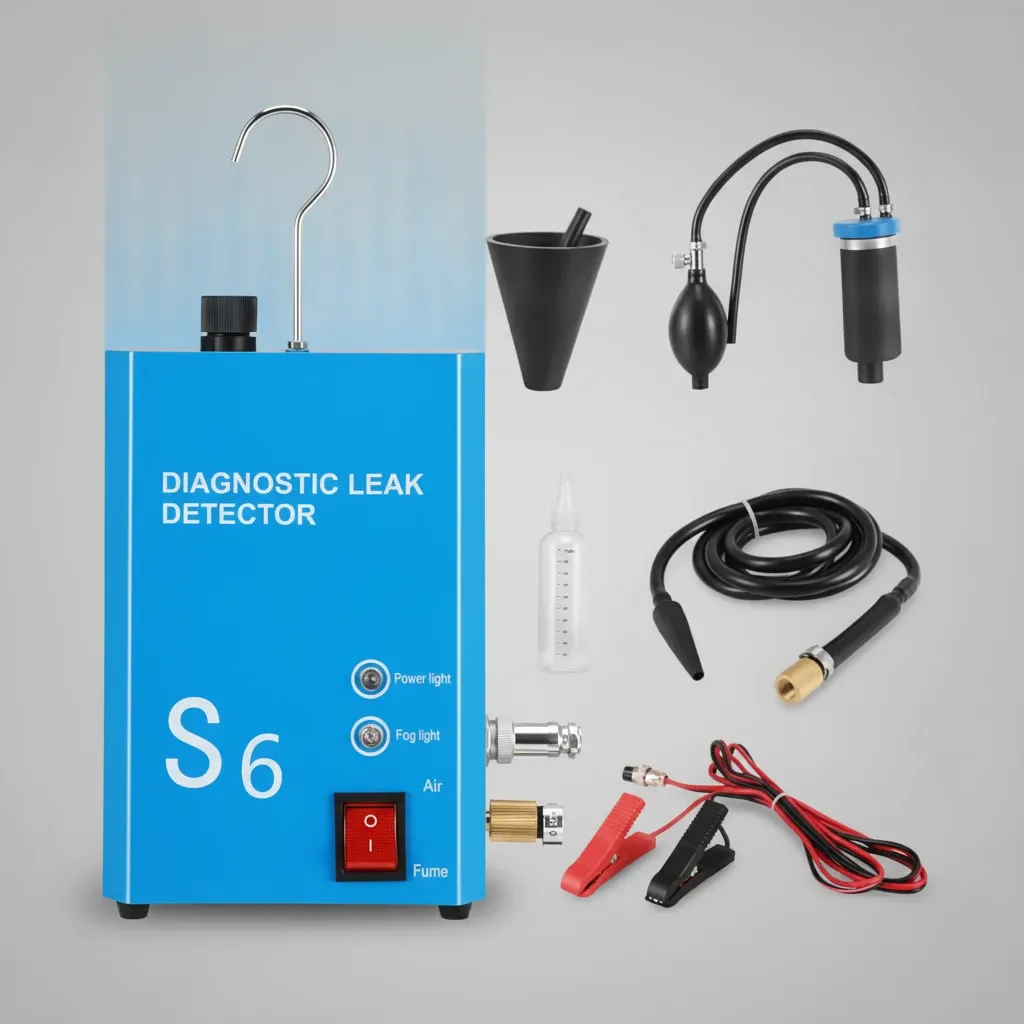
A smoke leak tester is an automotive diagnostic tool that finds vacuum, EVAP, intake and some exhaust leaks by pushing visible smoke into a sealed system so the leak shows up exactly where the smoke escapes. In short, it is one of the quickest and safest ways to trace hidden air leaks that can cause rough idling, poor fuel economy, fault codes and MOT emissions issues.
TL;DR: If you need to find an air or vapour leak in a car, van or motorcycle, a smoke leak tester is usually the fastest option. Based on our testing, the best units use low pressure, have a built-in pump, and make it easy to spot leaks in EVAP lines, intake hoses, gaskets and seals without guesswork.
Diagnosing an erratic idle, a sudden drop in fuel economy, or a persistent Check Engine Light often leads British mechanics and DIY enthusiasts to one frustrating culprit: an unmetered air leak. However, tracking down a hairline crack in a perished vacuum hose or a failing seal in an EVAP system using traditional methods—such as spraying combustible cleaner around a hot engine or listening for faint hisses—is not only inefficient but also risky.
Enter the smoke leak tester. By injecting dense, easily visible vapour into a vehicle’s sealed systems, this diagnostic tool turns hours of guesswork into visual confirmation in minutes. Whether you are preparing a car for its annual MOT or diagnosing a rough-running motorcycle, understanding how to choose and use a smoke leak tester is essential for modern vehicle maintenance in the UK.
Key Takeaways
- A smoke leak tester cuts diagnostic time by giving clear visual confirmation of vacuum, EVAP and intake leaks.
- Emissions-related faults are a common reason for MOT failure in the UK, so finding leaks early can save time and money.
- Units with a built-in pump are more practical for mobile mechanics, smaller workshops and home garages.
- Safe pressure matters: EVAP testing should be carried out at very low pressure, typically under 1 PSI.
What is a smoke leak tester?
A smoke leak tester is a purpose-built diagnostic machine designed to locate leaks in sealed automotive systems. It works by heating specialist fluid to create thick, visible vapour, then gently feeding that vapour into the system being tested, such as the intake manifold, EVAP system or certain low-pressure pipework.
Because the system should be sealed, the smoke can only escape through the fault itself. As a result, cracked hoses, failed gaskets, split plastic fittings and loose connections become easy to see. This is why many technicians prefer smoke testing over trial-and-error parts replacement.
For a broader overview of how these machines work across different vehicle types, explore our ultimate guide to car smoke machines in the UK.
Why would you use a smoke leak tester in the UK?
The UK automotive environment creates very specific problems. Damp weather, winter road salt and repeated temperature changes all speed up wear on rubber hoses, plastic connectors and sealing surfaces. Consequently, vacuum leaks and EVAP leaks are especially common on older British daily drivers and high-mileage vehicles.
Can a smoke leak tester help with MOT emissions problems?
Yes—very often. According to UK MOT requirements and DVSA guidance on emissions-related defects, air leaks and evaporative emissions faults can contribute to failed tests or warning lights that need investigating before inspection. In practice, hidden intake or EVAP leaks can upset fuel trims and increase emissions output.
“An unmetered air leak forces the ECU to compensate by altering fuelling, which can increase emissions and lead to poor running.”
Using a smoke leak tester helps you find these faults before the vehicle reaches the test bay. Instead of replacing expensive sensors on guesswork alone, you can confirm whether there is an actual mechanical leak first. Based on our testing across common UK petrol vehicles, this approach regularly saves both labour time and unnecessary parts costs.
What can a smoke leak tester be used for?
A good smoke leak tester is versatile enough to become one of the most-used tools in your diagnostic kit. Most commonly, it is used on intake-related systems where even tiny leaks can affect drivability or emissions performance.
Can it find vacuum leaks?
Yes. This is one of its most useful jobs. A vacuum leak happens when unmetered air enters after the Mass Air Flow sensor. As a result, you may see rough idle symptoms, stalling or lean mixture fault codes such as P0171 or P0174.
p>#endregion#
Ready to try EVAP Smoke?
Shop Now — £131.74